Monday, 2 March 2015

Spreading love & happiness thru Afrokulcha fashion

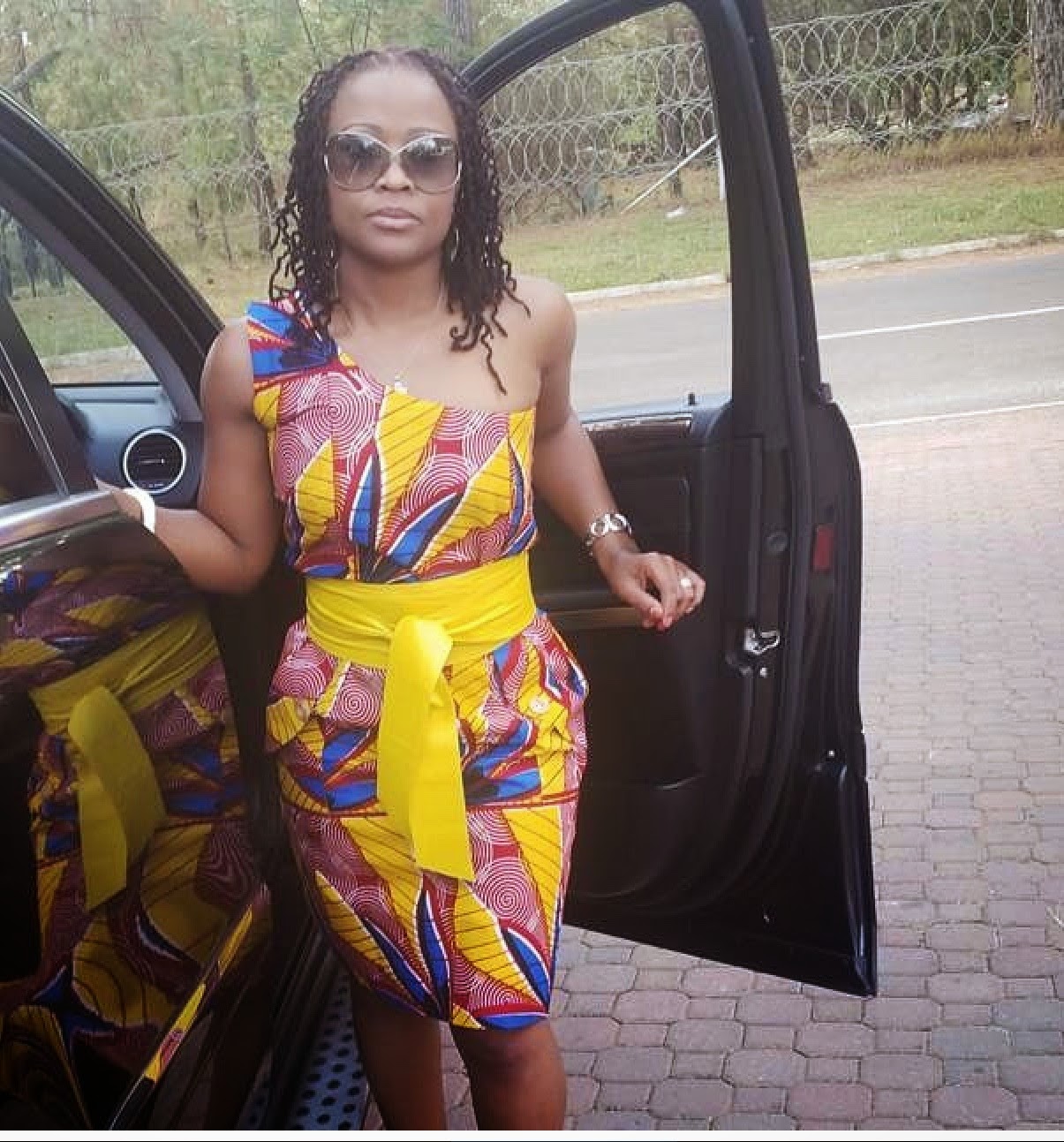
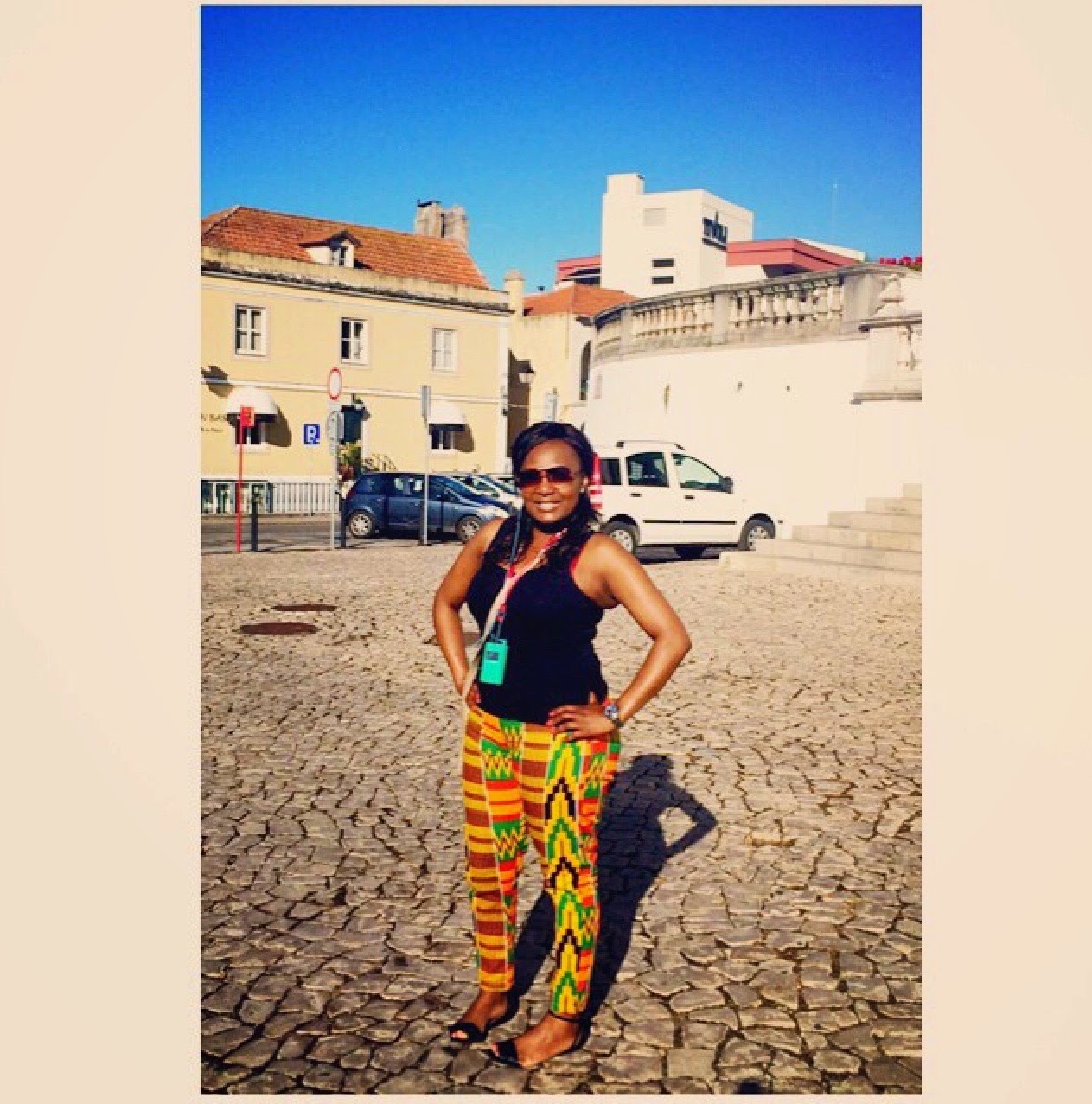
We love to see happy clients! Visit our website to see their comments -here a sneak preview of the smiles...


We love Spreading love and happiness!!

xoxo

Sunday, 1 March 2015

Ushering out summer with a bang!

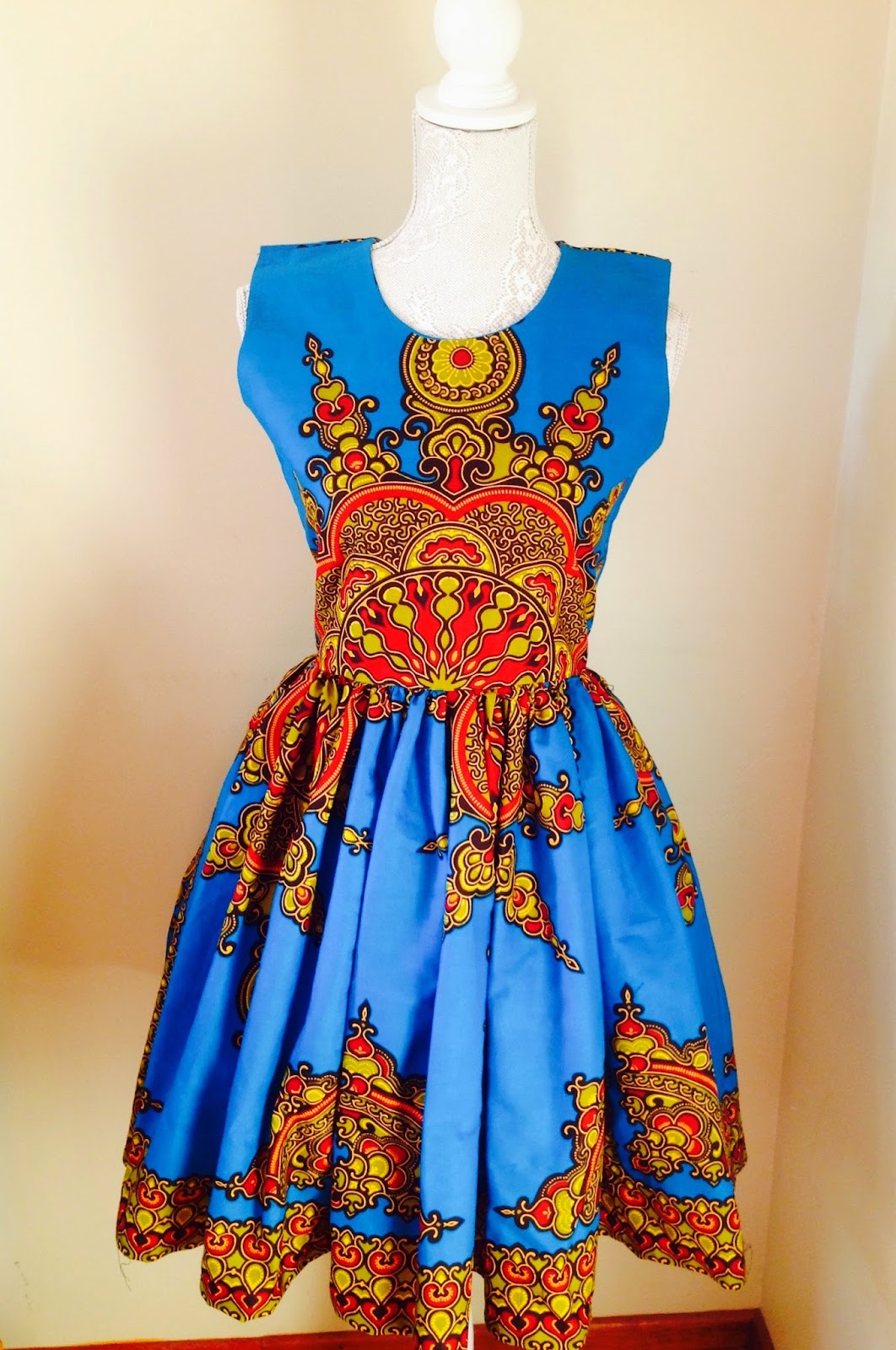
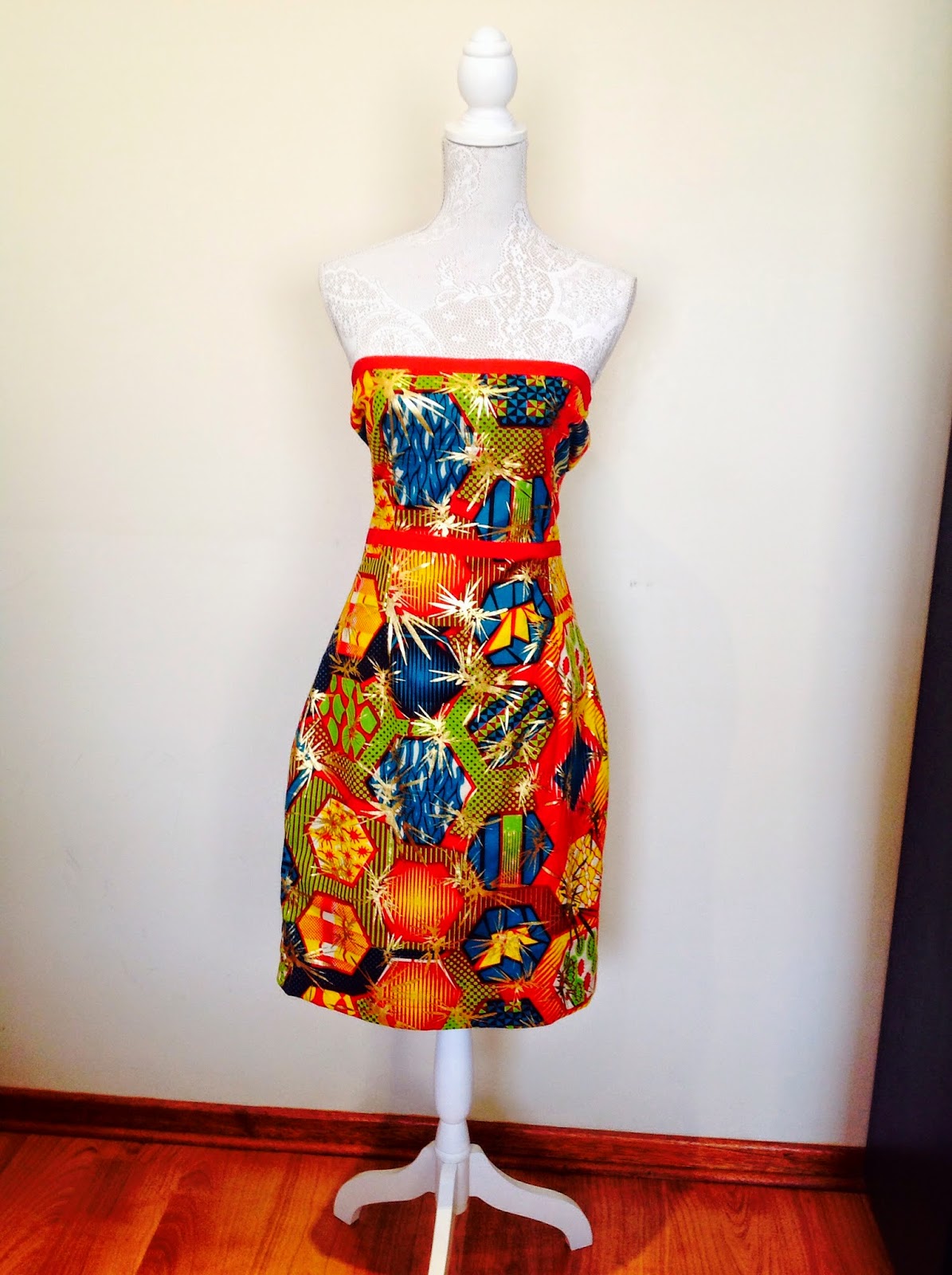
Afrokulcha has for the past 20 months of its existence been focused on bringing everyday African fashion for your working girl, your Sunday's church goer to your party dresses and casual fun wear. In our quest to conquer your everyday needs, here is our new line before summer escapes us!


We import rich quality fabrics from Ghana in West Africa and produce these beautiful items in our factory in South Africa. 


I trust you are enjoying the last few weeks of summer. 
All items available online at www.afrokulcha.co.za 

xoxo


Friday, 14 November 2014

For the love of dashiki fabric!

According to Wikipedia, "The dashiki" is a colorful men's garment widely worn in West Africa that covers the top half of the body. It has formal and informal versions and varies from simple draped clothing to fully tailored suits. A common form is a loose-fitting pullover garment, with an ornate V-shaped collar, and tailored and embroidered neck and sleeve lines.


The word "dashiki" has roots in Nigerian Yoruba and Hausa culture and is generally translated as "man's shirt." The Dashiki was made popular in the western parts of the world by Oba (Yoruba word for king) Ofuntola Oseijeman Adelabu Adefunmi, who was born Walter Eugene in Detroit, Michigan, USA in 1928. He became interested in African Studies at the age of 16, and travelled to Haiti at the age of 20 in order to be exposed to African religion from indigenous Africans. Soon after, he returned to the U.S. and began a small scale manufacturing business which included African attire, most notably dashikis. (Wikipedia)

Today, many African Fashion houses such as Afrokulcha, offer their clients dashiki in different styles. The following are pieces from Afrokulcha's SS 14 collection, available online at www.afrokulcha.com


Dashiki fabrics, also known as Angel or Angelina fabric, are made in a variety of colours. 
The best quality of this fabric comes from West Africa in countries such as Ghana, Nigeria, Togo, Benin, Ivory Coast etc. There are many imitations that have surfaced from other countries such as China. Take caution! 


Do it for Africa, For the love of dashiki, the love of African print.

xoxo

Afrokulcha's Spring Summer Collection 2014

Feast your heart on this...


Tuesday, 8 July 2014

The unforgettable comfort of pumps!

Pumps, in their most classic form, are lightweight, strapless shoes with closed backs. Generally speaking, pumps have a seamless front upper that is cut closer to the toes than the top of the foot. They need no fastening or lacing, as the foot can be slipped into them easily, although some styles have buckles or laces as a design feature, rather than a necessity. Though the pump has been a staple in women's shoes for centuries, it was originally worn (without a heel) by men and servants in the 1500s - then they were called a "pompes." Eventually, bows and other embellishments, as well as heels were added to pumps, making them more feminine than the flat, plain shoes from which they originated. (Source: www.shoes.about.com)


African print pumps are great for every occasion! 

Get your comfort at www.afrokulcha.com

xoxo


Monday, 30 June 2014

Style for working girls

Stay on the fabulous lane! Be on that working girl look. Afrokulcha skirts, shirts and accessories!


Fabulous African fashion, available at www.afrokulcha.com

xoxo

Thursday, 15 May 2014

Head wraps, a thing of the past? Not at all....

Over the years, women have been wrapping their heads for special occasions and traditional ceremonies, and on daily basis when at home  or when hiding a bad hair day. Some might think that head wraps are the thing of the past, however as the world changes and the years pass by, new ways of wrapping heads keep getting innovative and head wraps have become very stylish.

The headwrap which originated in sub-Saharan Africa carried symbolic meaning in reference to spirituality, wealth, prosperity and class. Traditional headwraps such as these describe the essence of a woman in their cultures


In the 21st century, headwraps have evolved. They have become funky, fun and fashionable. They can be worn with casuals and smart outfits. Here some new Afrocentric styles

 
if this ain't innovative, then I don't know what is.
 
xoxo.